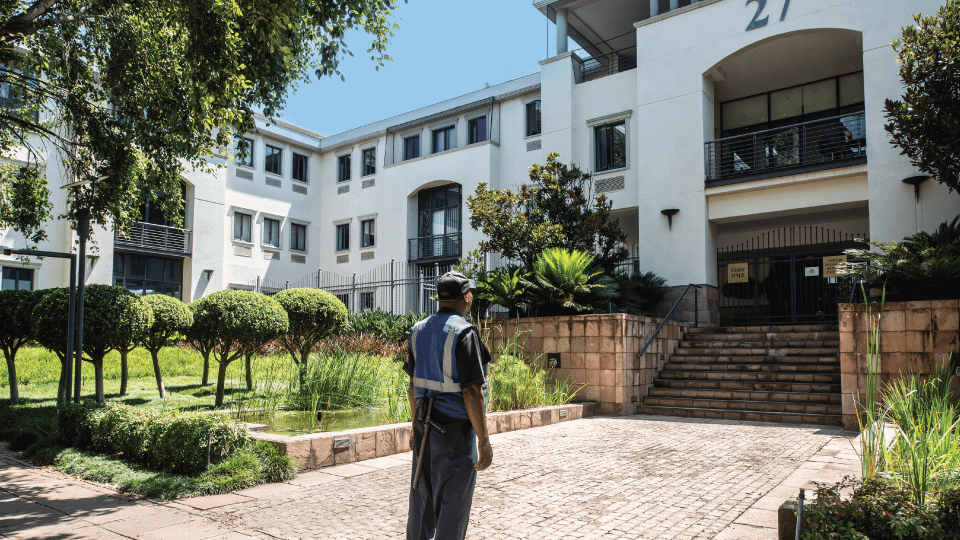
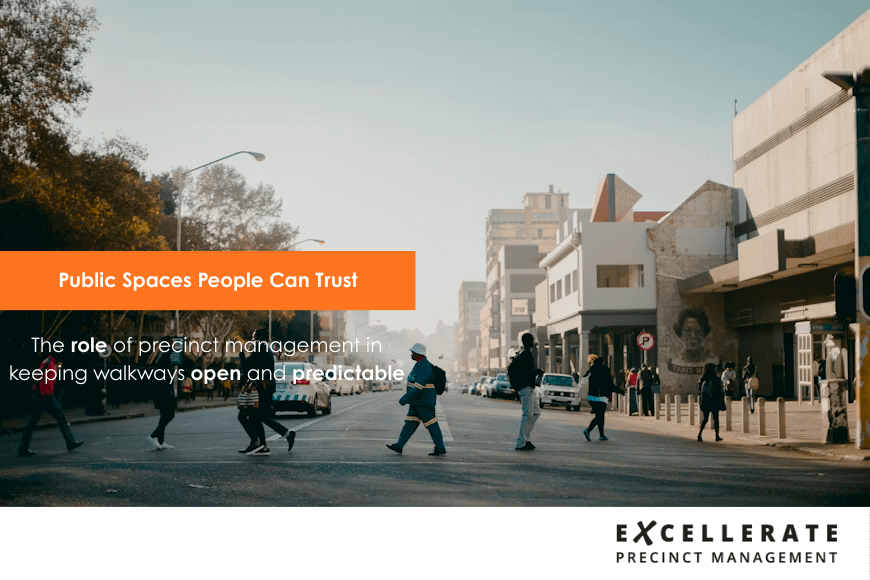
Public spaces shape how people move, how businesses operate and how communities experience a city. This is where precincts play a key role. Precincts help create order in places that carry high levels of activity, and they support the daily functions that keep an area stable, clean and predictable.
What a Precinct Is
A precinct is a defined urban area where cleaning, maintenance, reporting, safety visibility and public-space care are managed in a coordinated way. These areas are usually busy, high-use spaces that support business districts, tourism routes, transport links or community hubs. Precincts focus on the details that influence daily experience, such as walkability, lighting, cleanliness and general order.
Why Precincts Exist
Precincts were created to provide a more reliable level of service in public spaces that cannot afford long periods of neglect. They support municipalities by filling operational gaps and responding to issues quickly. This helps prevent small problems from growing into disruptions that influence movement, safety or business confidence.
Precincts do not only clean. They restore surfaces. They report infrastructure faults. They monitor conditions. They remove hazards. They create safer routes for workers and customers. They support events and seasonal activity. All of this helps stabilise public spaces that receive constant pressure.
The Work That Shapes Daily Experience
Many people only notice a precinct team when something goes wrong, but most of the work happens long before the public realises a problem could appear. Daily tasks include monitoring walkways, clearing waste, trimming verges, removing obstructions and escalating infrastructure concerns. This protects the environment in small but important ways.
A clean and reliable public space does more than look good. It allows people to move freely. It supports retail activity. It encourages visitors to stay longer. It creates predictable conditions for businesses and improves the overall impression of the area.
Why Precincts Matter More as the Festive Season Approaches
As the year begins to slow down socially, public spaces start to speed up. Foot traffic increases earlier than most people expect, and pressure on walkways and cleaning cycles rises. Retail areas see more movement. Deliveries increase. Public transport routes become busier. This early shift influences how quickly precincts must work to keep up with demand.
Precinct teams help ease this pressure by managing waste more frequently, clearing walkways, supporting hazard removal and strengthening visibility in public spaces. These early actions set the foundation for a smoother festive period when activity reaches its peak.
Precincts play a stabilising role during this time. When public spaces feel cared for, people move with more confidence. When cleaning and maintenance operate consistently, businesses feel supported. When issues are reported quickly, disruptions are reduced. These outcomes help protect the overall environment during one of the busiest periods of the year.
The Value of Daily Consistency
Precincts succeed through constant attention, not occasional intervention. The goal is not only to keep a space clean. The goal is to keep it functional, safe and ready for use at all times. This level of consistency shapes how people experience an area and how businesses choose to invest in it.
Excellerate Precinct Management supports this work by focusing on public-space care that strengthens movement, safety and general stability. These actions turn high-use areas into places that feel organised, predictable and welcoming.
If you would like to learn more about how Excellerate Precinct Management is shaping South Africa’s urban future, contact us today or follow us on LinkedIn and Facebook for updates from our precincts in action.