Global attention brings both opportunity and expectation, and the 2025 G20 Summit places South Africa on a stage where public environments, infrastructure and economic readiness become part of the national story. This makes the summit highly relevant to precinct management across urban centres.
South Africa’s Role in the G20 Presidency
The 2025 summit gathers the members of the G20, a collective that influences most of the world’s economic activity. As host nation, South Africa will be viewed through a lens that examines stability, public-space performance and overall urban readiness.
The weekly Risk Alert published by the Centre for Risk Analysis explains how global events, policy shifts and economic trends shape South Africa’s operating environment. With the G20 presidency, the country is expected to demonstrate its commitment to development, investment and efficient public systems. This expectation naturally extends to urban precincts, where people experience a city directly.
How Global Economic Priorities Connect to Precincts
The G20 often focuses on infrastructure, development financing and public-environment sustainability. These priorities shape how international institutions such as the International Monetary Fund and the World Bank interpret national readiness and long-term stability.
These signals influence everything from investor sentiment to corporate location decisions. Precincts represent the visible, everyday spaces where those decisions become lived experiences. A clean public walkway, a maintained verge, a safe pedestrian route or a responsive municipal partnership can send a positive message to visitors and investors evaluating the area.
What the G20 Highlights About Urban Readiness
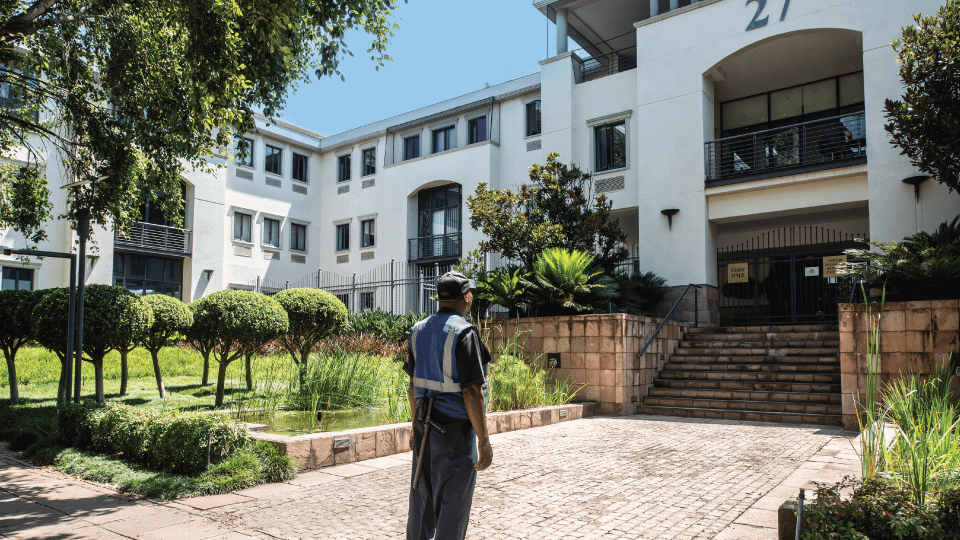
Urban precincts carry a large share of the responsibility for shaping how South Africa is perceived during this historic moment. Public spaces such as pavements, verges, business frontages and transport access points all influence confidence in the city. These elements matter whether the visitor is an investor, a delegate or a local resident moving through the space.
When global attention peaks, issues such as illegal dumping, surface damage, waste build-up or neglected walkways stand out sharply. These challenges can weaken the broader impression of readiness, which is why dedicated precinct management becomes essential. Daily cleaning, visible presence and active monitoring help present a stable and reliable environment.
How Excellerate Precinct Management Supports G20-Aligned Goals
Excellerate Precinct Management supports urban readiness by strengthening public-environment care across cleaning, maintenance, safety and reporting. Cleaning teams remove waste that affects foot traffic and pedestrian safety. Maintenance support identifies surface issues, obstructions or damaged infrastructure that can disrupt movement. Reporting systems capture and escalate issues to municipal partners so public areas remain functional and orderly.
These functions help shape a positive economic environment. When precincts remain clean and organised, businesses experience fewer disruptions, and employees and customers move through the precinct with confidence. This supports economic activity during a time when the country is under global observation.
Why Global Visibility Increases the Value of Effective Precinct Management
The G20 presidency raises expectations about the condition and functionality of public spaces. Precincts become markers of urban stability, and their condition can reinforce or weaken the impression of a city’s readiness.
Active cleaning, hazard removal, responsive reporting and municipal collaboration reduce the risk of negative impressions. Issues such as waste accumulation, overgrown edges or unsafe walkways become less common when precinct teams maintain visibility. This consistent care plays a direct role in supporting investment confidence.
Risk Alert often highlights how global momentum can create new opportunities for economic engagement. Precinct management gives cities the practical systems needed to support that momentum at the street level.
What This Moment Means for South Africa’s Urban Future
The 2025 G20 Summit will signal South Africa’s direction in development, investment and long-term economic vision. Urban precincts are the spaces where this vision is either supported or undermined. Cleaner public environments, safer walkways and effective reporting structures contribute to a more stable foundation for economic activity.
Visitors and investors will form opinions based on what they see and experience in these spaces. This makes precinct quality a direct contributor to the national story during the summit. By keeping precincts in good condition, Excellerate Precinct Management helps reinforce the message that South Africa is prepared for growth and ready for long-term investment.
If you would like to learn more about how Excellerate Precinct Management is shaping South Africa’s urban future, contact us today or follow us on LinkedIn and Facebook for updates from our precincts in action.